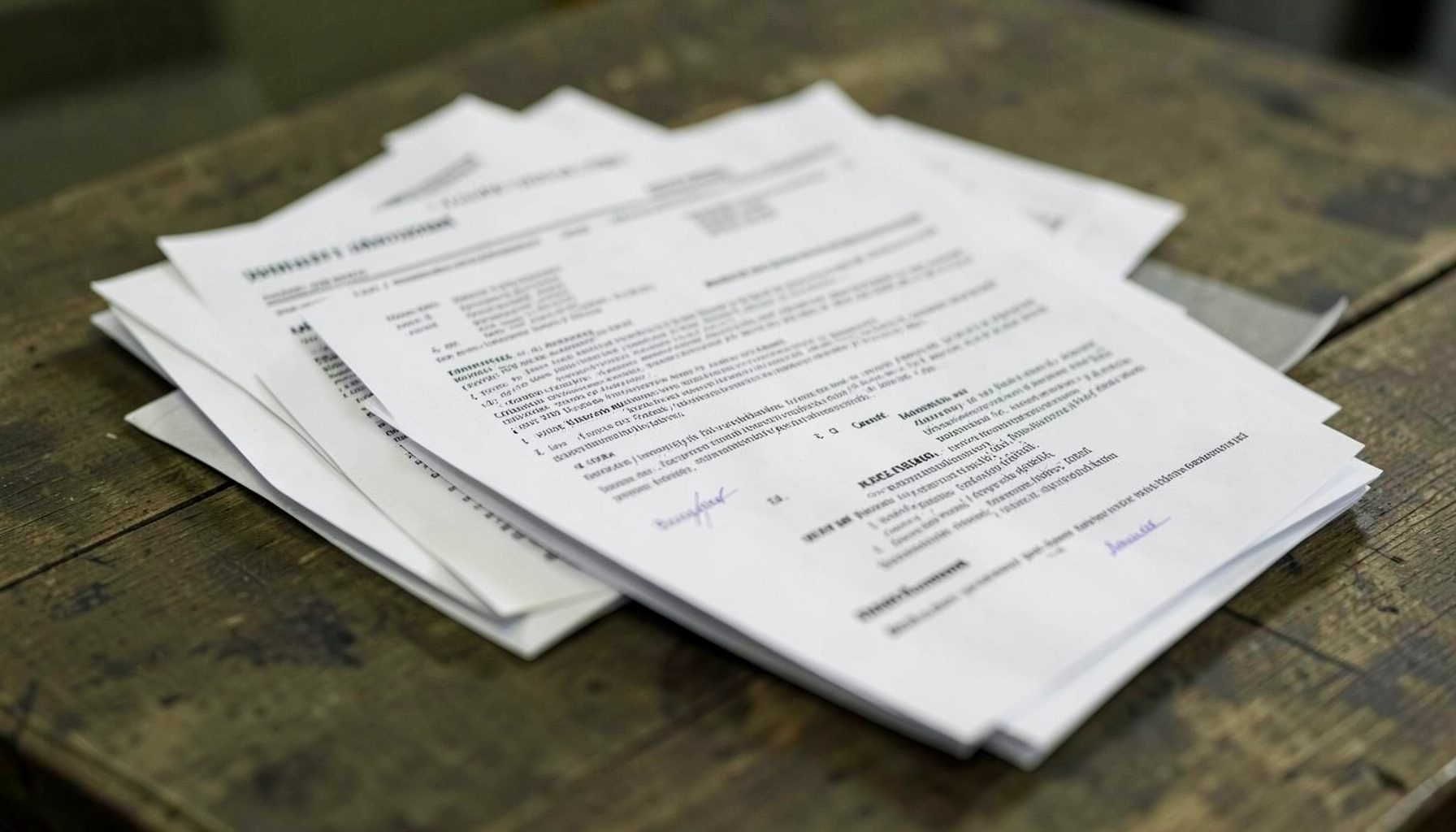
Beyond the daily news cycle, Rohotanni (Reports) delivers sustained investigative journalism and analysis. From extra-judicial killings and governance failures to structural inequality affecting Arewa communities, these pieces dig deeper into the stories that shape northern Nigeria.
Featured Investigations
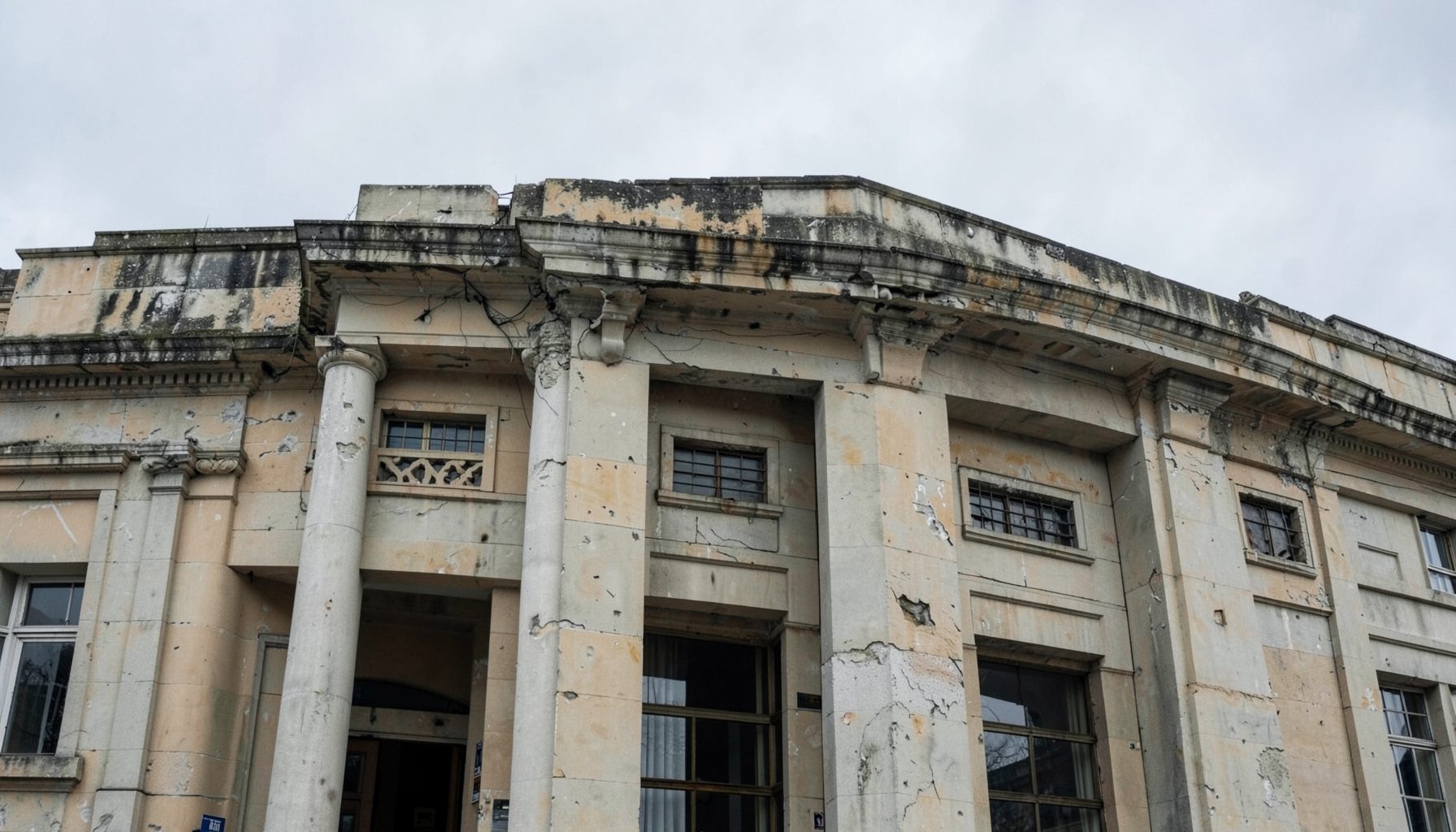
The Callamard Report: Extra-Judicial Killings Under Buhari
A detailed examination of the UN special rapporteur's findings on summary executions and state-sponsored violence during the Buhari administration.
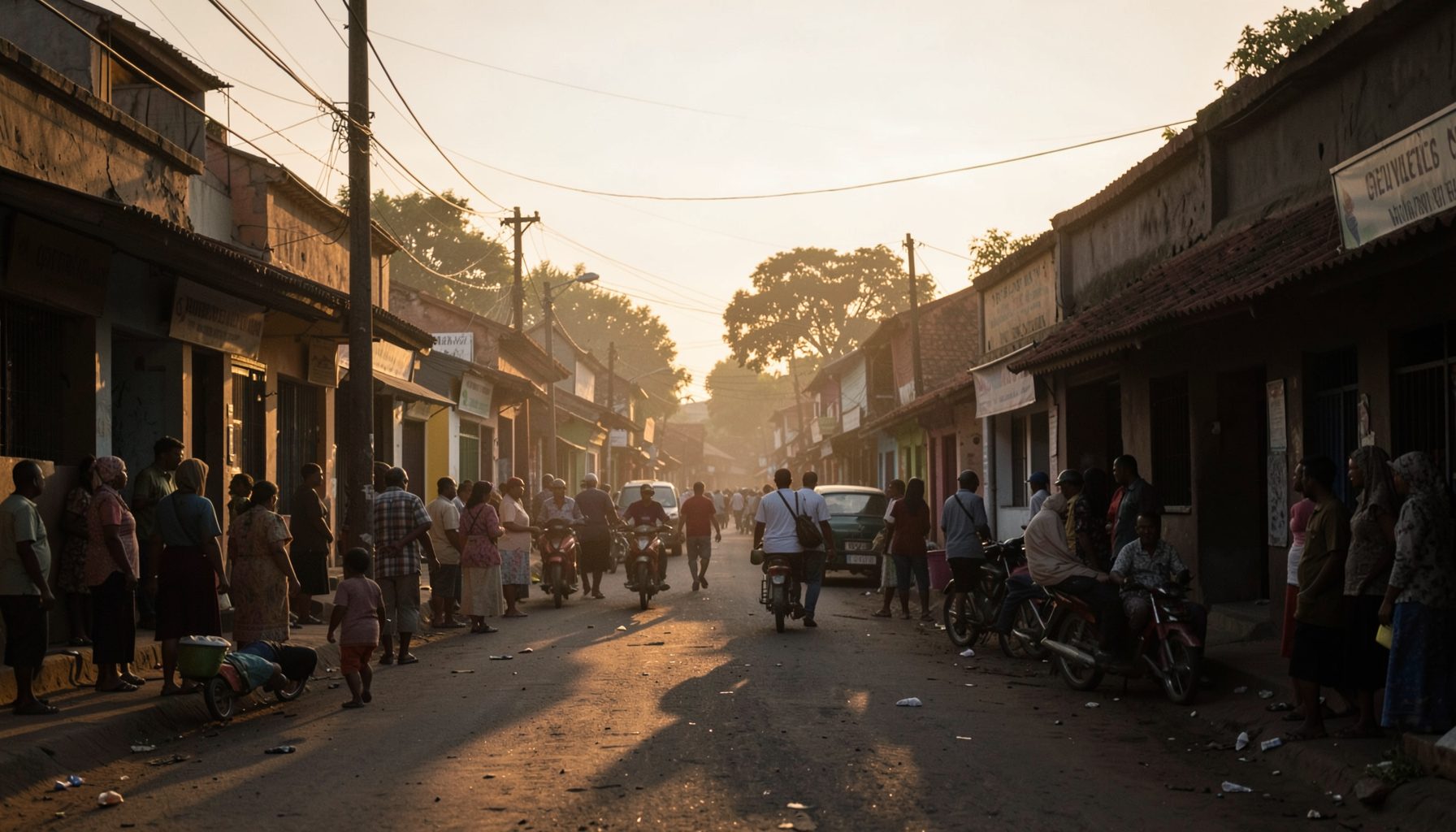
Hours After Black Thursday: Kano's Covid-19 Policy Failure
Several hours after the most disastrous quarantine relaxation in Nigeria throughout the Covid-19 crisis, Kano authorities had yet to account for the chaos and loss of life.
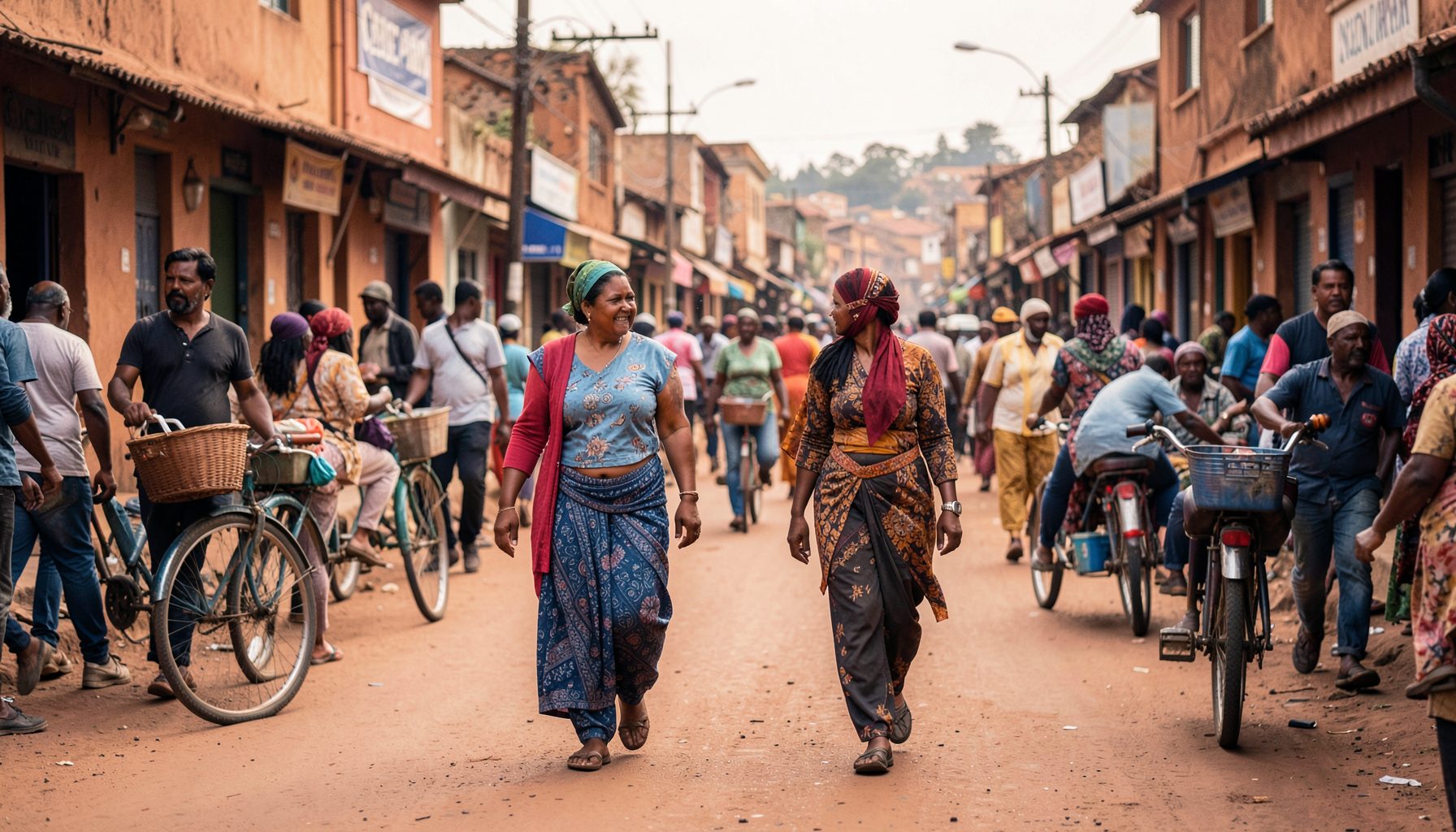
The Kano Tricycle Law and Its Impact on Women
An investigation into how transport regulations disproportionately affect women's mobility, economic participation, and daily life in Kano.

The Kano Emirate Crisis: A Timeline
A chronological account of the forced exile of the Emir of Kano and the political manoeuvring that reshaped one of Nigeria's oldest traditional institutions.
Areas of Coverage
-
Human Rights & Extra-Judicial Killings
Tracking state accountability, the Callamard Report findings, and patterns of abuse across northern Nigeria.
-
Governance Failures
Investigating policy breakdowns, from pandemic response to institutional corruption at state and federal levels.
-
Social Justice & Inequality
Examining how laws, customs, and economic structures create and sustain disadvantage in Arewa communities.
-
Gender & Structural Inequality
Long-form reporting on women's rights, the #ArewaMeToo movement, and the backlash against feminist advocacy in the region.
Have a tip or story to share?
Knotted Post welcomes whistleblowers, researchers, and community members with information that serves the public interest.
Contact editor@knottedpost.orgThe Rohotanni reports section exists to move beyond the immediacy of breaking news and into the longer arc of accountability. Each investigation is built on methodical document review, witness testimony, and cross-referenced sources, giving readers a fuller picture of how power operates across northern Nigeria. The emphasis here is on depth over speed, allowing journalists the time and space needed to trace patterns of injustice that might otherwise slip past the daily reporting cycle. For audiences seeking context, these reports offer a steady foundation for understanding the structural forces shaping their communities.
Human rights documentation forms a core pillar of this reporting. Investigations into extra-judicial actions, police conduct, and state violence are treated with the rigour they demand, weighing official accounts against independent evidence and survivor narratives. The goal is not merely to catalogue abuses but to place them within broader governance frameworks, showing how institutional failures enable harm to go unaddressed. By centring the voices of affected communities, these reports aim to restore dignity to those whose stories have been marginalised and to create a durable public record that cannot be easily dismissed or forgotten.
Governance and policy analysis receive equally sustained attention. Whether examining public health responses, fiscal decisions, or administrative accountability, the reporting probes beneath official statements to ask who benefits, who bears the cost, and what mechanisms exist for redress. These pieces are written for citizens and policymakers alike, translating complex bureaucratic processes into accessible analysis without sacrificing nuance. The hope is that informed publics can better hold their leaders to account when they understand not just what happened, but how decisions were reached and where responsibility ultimately lies.
Structural inequality across Arewa communities is another recurring thread, with reporting that connects economic marginalisation, educational gaps, and uneven service delivery to wider questions of justice and development. These investigations do not treat poverty or exclusion as natural conditions but as outcomes of policy choices, resource allocation, and historical neglect. By documenting lived experiences alongside hard data, the reports give voice to those navigating these realities daily while also offering evidence that advocacy groups, researchers, and concerned citizens can draw upon. The section remains committed to journalism that informs, challenges, and ultimately strengthens the public sphere.