Kano Hisbah official caught with married woman in a hotel
A Hisbah officer — part of Kano's Islamic police force tasked with enforcing sharia — was reportedly discovered in a hotel room with a married woman, igniting fierce debate across Arewa social media about hypocrisy and moral policing.

Hisbah moves against another Kannywood actress
The Kano Hisbah board has reportedly targeted yet another Kannywood star, continuing a pattern of scrutiny that has drawn criticism from industry insiders and free-expression advocates.
Tahir Fadalla is dead
The sudden passing of the prominent figure sent shockwaves through northern Nigerian social circles, with tributes pouring in across platforms.
The Arewa loneliness crisis: why marriage talk dominates every conversation
From Twitter threads to family gatherings, the pressure to marry — and the loneliness of those who haven't — has become one of the most charged topics in Arewa discourse.
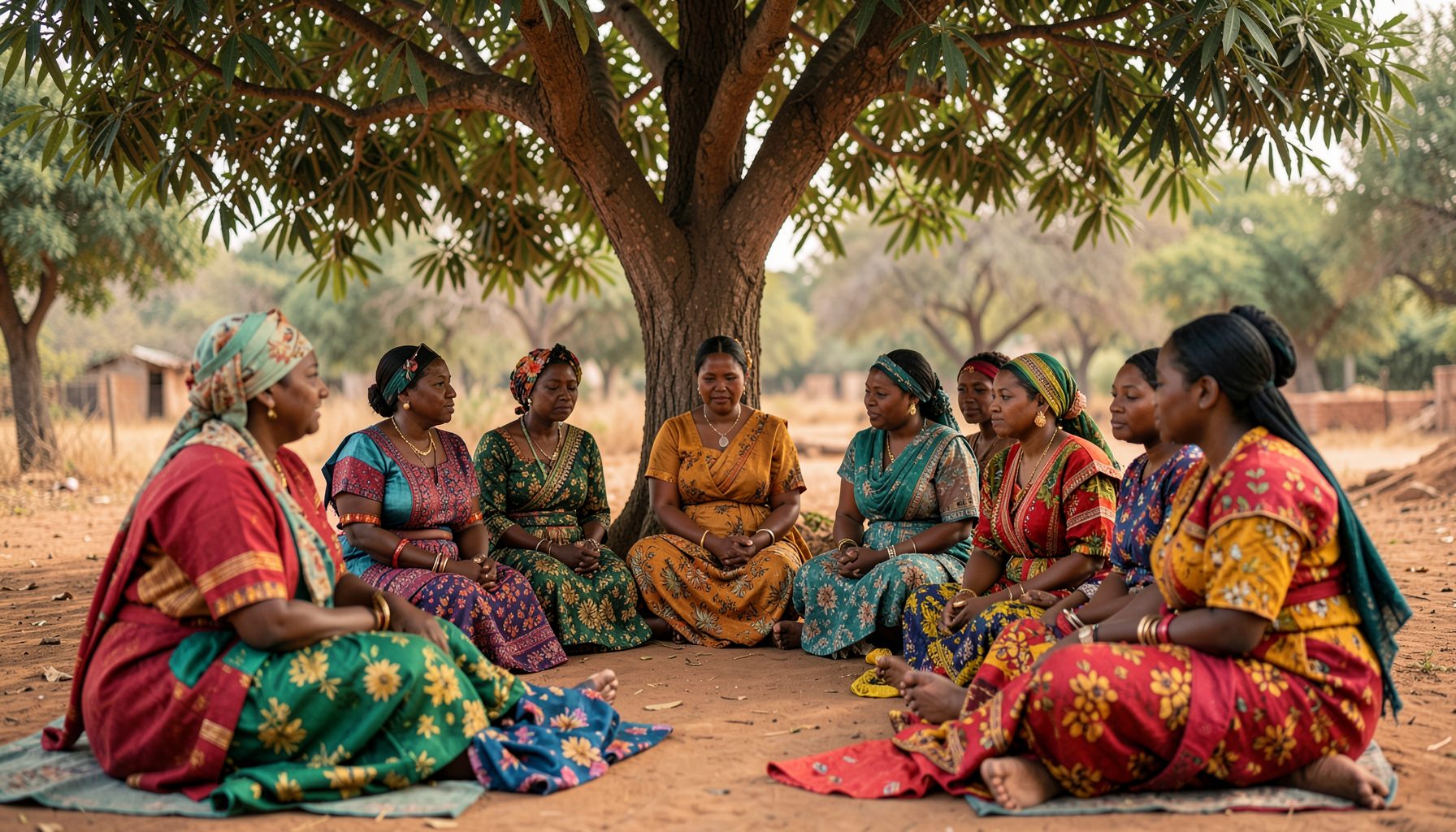
Polygamy, revenge porn, and the double standards haunting Arewa women
When private images leak, women bear the brunt of the shame — even as polygamy and male infidelity are quietly normalised. A look at the uneven moral landscape.
- Rahama Sadau sparks fresh debate with latest film role
- Maryam Booth addresses rumours: "I owe no one an explanation"
- Falak Amin ta tube cikin zafafan hotuna — social media reacts
- Nafisa Butu and the Instagram fame formula: what Arewa influencers know
- When Hisbah becomes the story: a timeline of controversies
- Arewa dating in the age of Snapchat: love, lies, and screenshots
Also on Knotted Post
- News | Labarai — National politics, security, and the Kano Emirate Crisis
- Inside the Gram | Culture — Arewa digital life and Instagram trends
The ongoing scrutiny of Kano's Hisbah force highlights a broader tension between religious enforcement and personal accountability in northern Nigeria. When those tasked with upholding moral standards are themselves found in compromising situations, it raises uncomfortable questions about the legitimacy of moral policing. Social media platforms have become the primary arena where these contradictions are dissected, with ordinary citizens weighing in on whether religious institutions should hold themselves to the same standards they impose on the public. These conversations reflect a deeper societal debate about the role of religious law in contemporary governance and the limits of state-sanctioned moral oversight.
The entertainment industry in northern Nigeria, particularly Kannywood, continues to find itself at the center of regulatory attention. Filmmakers and performers navigate a complex landscape where creative expression must coexist with religious and cultural expectations. Critics argue that the selective targeting of certain figures undermines the industry's growth and discourages emerging talent from pursuing careers in the arts. Supporters of the regulatory approach contend that cultural production must align with community values. This ongoing friction shapes the trajectory of northern Nigerian cinema and its relationship with religious authorities, with both sides claiming the moral high ground in a debate that shows no signs of resolution.
The sudden passing of public figures within the Arewa social media ecosystem serves as a reminder of how quickly news spreads and how communities grieve collectively in the digital age. When influential voices are lost, the networks they helped build often experience a period of reflection and remembrance. These moments also expose the fragility of online fame and the enduring value of genuine human connection beyond the screen. Followers and peers alike turn to social platforms to share condolences, memories, and tributes, transforming personal loss into a shared communal experience that transcends geographical boundaries and reinforces the bonds of the broader community.
Across these stories, a common thread emerges: the intersection of tradition, modernity, and public accountability. Whether through religious institutions, the arts, or the passing of beloved figures, the region's social fabric is being actively renegotiated in real time. Digital platforms amplify voices that might otherwise go unheard and accelerate conversations that once took place only in private settings. The result is a more transparent, if sometimes contentious, public sphere where power structures are questioned, cultural norms are debated, and communities find new ways to hold institutions responsible. These dynamics continue to evolve as technology reshapes how northern Nigerian society engages with itself.
- The Gender Struggle | Activism — #ArewaMeToo and women's rights
- Rohotanni | Reports — In-depth investigations and human rights