What We Cover
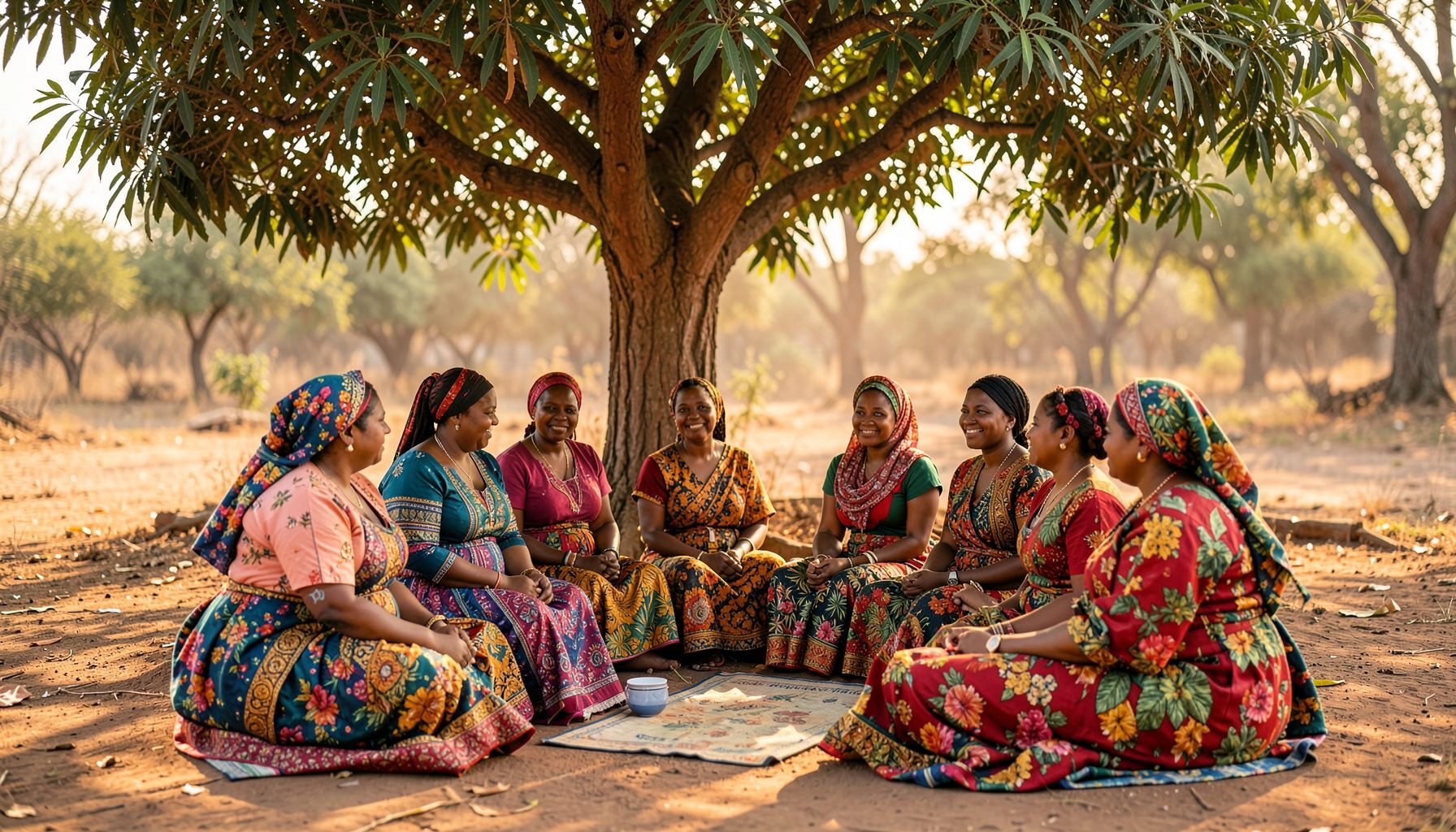
This section is dedicated to gender-justice reporting and feminist commentary rooted in the realities of northern Nigeria. From the #ArewaMeToo movement and its backlash to the everyday politics of women's mobility, marriage, and bodily autonomy, we examine how gender shapes life across the Arewa region.
#ArewaMeToo & Backlash
Tracking the movement against sexual harassment and abuse in northern Nigeria, and the fierce resistance it has met from conservative quarters.
Kano Tricycle Law
Analysis of the Kano tricycle restriction and its disproportionate impact on women's freedom of movement and economic participation.
Gender Jihad
Profiling Amina Wadud and the 25-year legacy of gender activism within Islam, exploring how feminist readings of scripture challenge patriarchal norms.
Structural Inequality
Examining the systems — legal, economic, and cultural — that constrain Arewa women, from inheritance practices to access to education and healthcare.
Featured Perspectives
The Pursuit of Good Sex
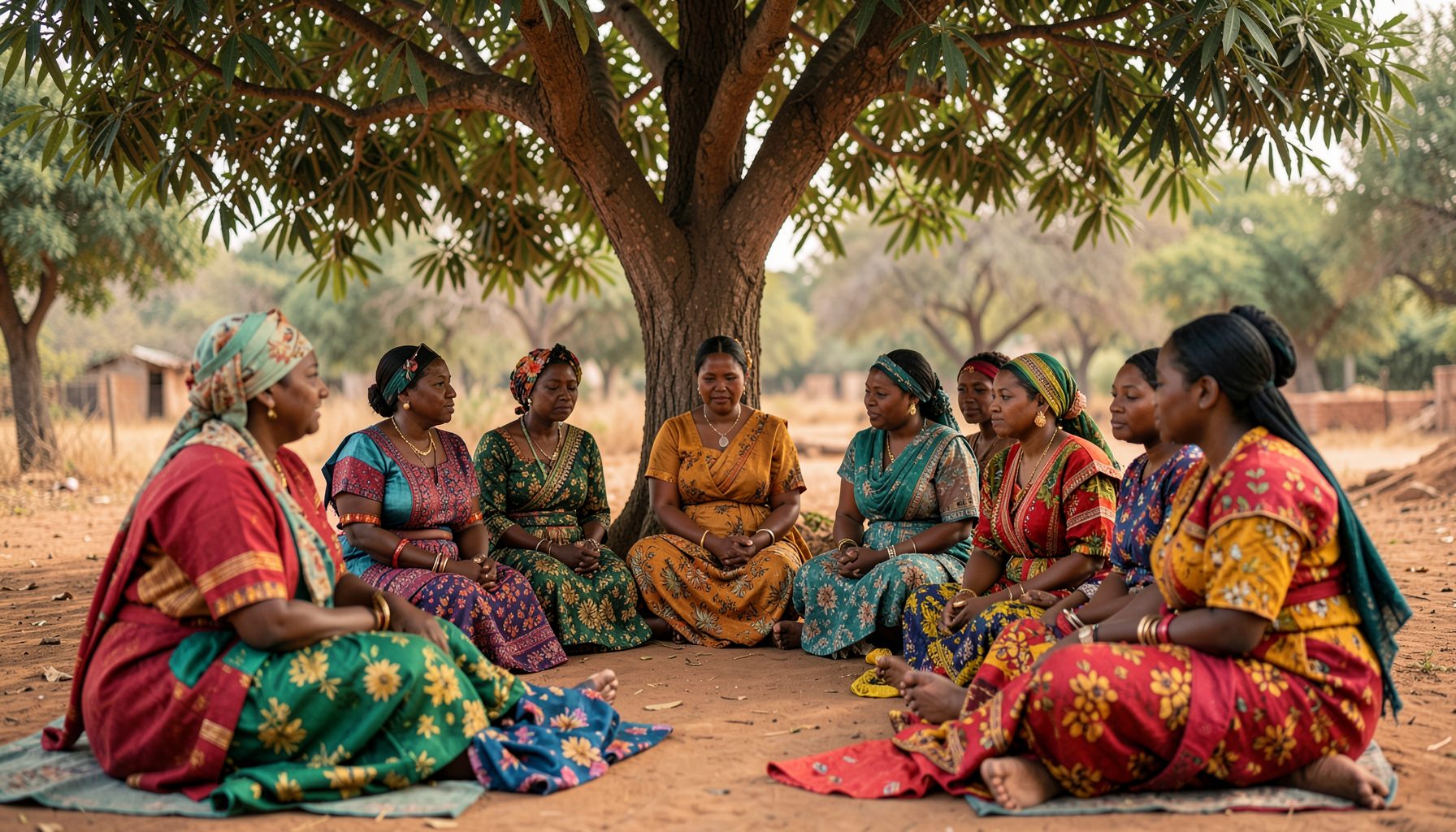
Conversations about female pleasure remain taboo in much of northern Nigeria. We have explored why the pursuit of good sex is a feminist issue — challenging the silence around women's sexual agency within marriage and beyond.
Arewa Feminism Under Fire
The backlash against Arewa feminism has been swift and often vicious, with critics framing gender equality as a foreign import. Our coverage documents the arguments on both sides while centring the voices of women demanding change.
Amina Wadud & the Gender Jihad
Scholar and activist Amina Wadud has spent decades advocating for gender justice within Islamic frameworks. On the 25th anniversary of her landmark work, we reflected on how the gender jihad continues to shape debates in northern Nigeria and beyond.
Gender justice in northern Nigeria cannot be understood apart from the broader social and economic forces that shape daily life in the Arewa region. The work of feminist journalists and activists there moves beyond headline-grabbing campaigns to examine the quieter, structural ways that policy, tradition, and institutional practice constrain women's choices and opportunities. From restrictions on mobility and public participation to the uneven enforcement of legal protections, the region's gender politics are layered and deeply embedded in community life. Reporting that takes these realities seriously requires sustained presence, careful listening, and a willingness to sit with complexity rather than reduce women's experiences to simple narratives of victimhood or resistance.
The backlash to movements like #ArewaMeToo reveals how deeply contested questions of bodily autonomy and safety remain in northern Nigeria. Yet within that resistance there is also evidence of resilience, organizing, and shifting public conversation. Women and allies continue to build networks of support, document abuses, and push for accountability through both formal channels and community-based approaches. Coverage of these efforts is not merely observational; it is itself a form of intervention, amplifying voices that are often dismissed or silenced. By tracking both the setbacks and the quiet victories, this reporting contributes to a fuller public record of gender justice struggles in the region and the people who carry them forward.
Connected Sections
Gender activism at Knotted Post sits alongside our broader reporting. For in-depth investigations, see Rahotanni | Reports. For how these issues play out in digital spaces, visit Inside the Gram | Culture. For national and regional news context, head to News | Labarai.